


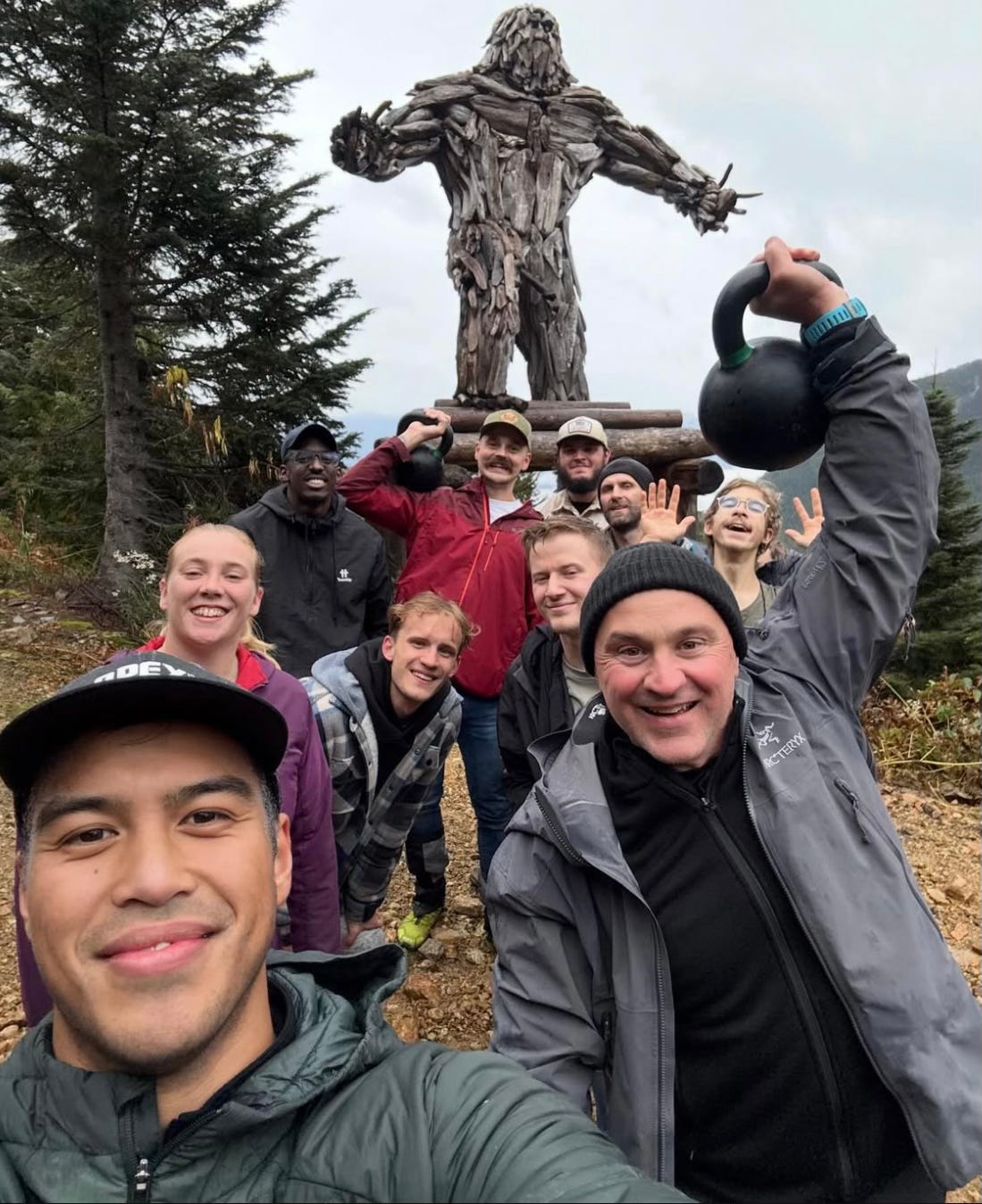
I spent this past weekend on Sasquatch mountain along with twenty fellow young adults and a whole host of inspiring Christian leaders who shared timeless wisdom with us and stirred our faith for three days straight.
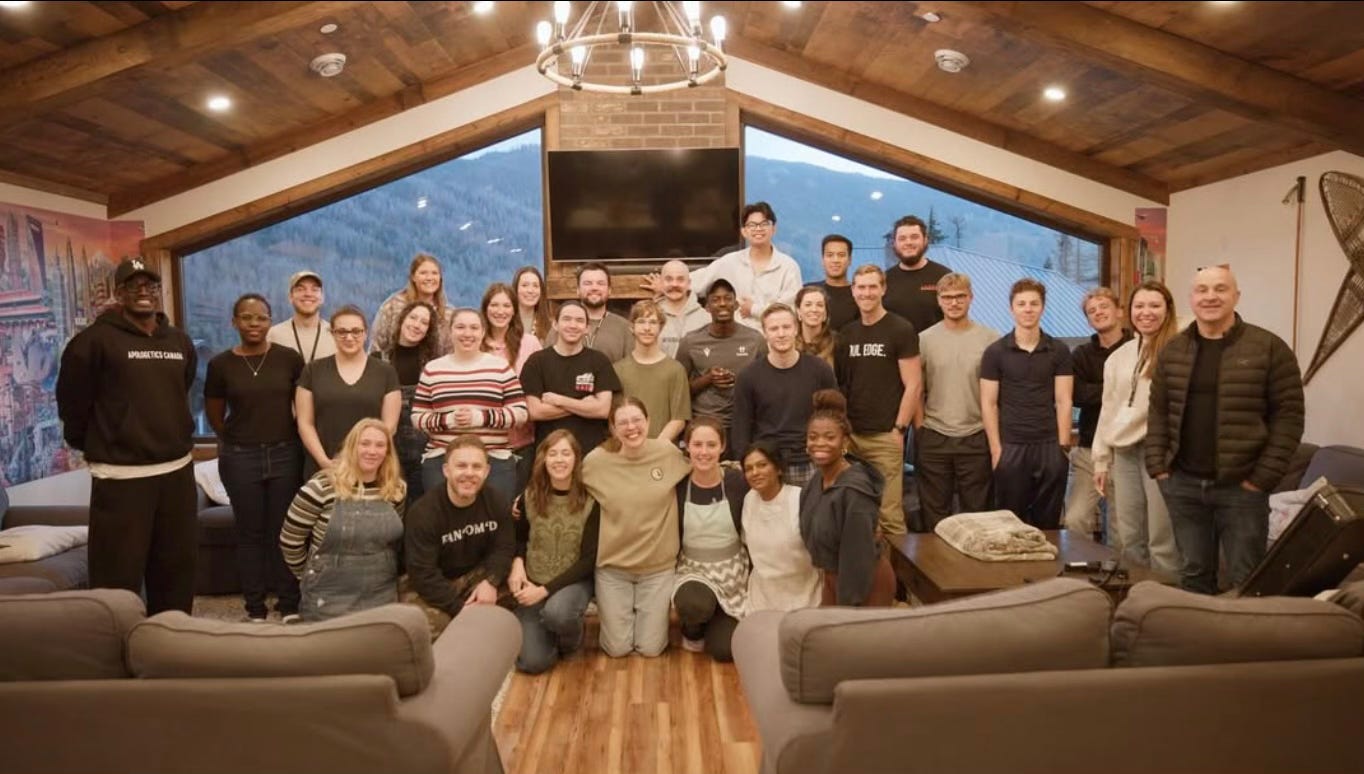
Friday night’s session — the first of the weekend’s seven — was an exploration of the popular personality assessment known as the Personal Style Indicator. Originally developed in the late 1970s at Trinity Western University, the PSI is founded upon a Christian worldview and seeks to shed light on the psychology behind the way that different individuals behave. Even though I scored almost exactly the same on the PSI last Friday as I did when I took it for my Relational Communication course at TWU almost a year ago, I experienced a good deal of confusion when I sat down to peruse my results.
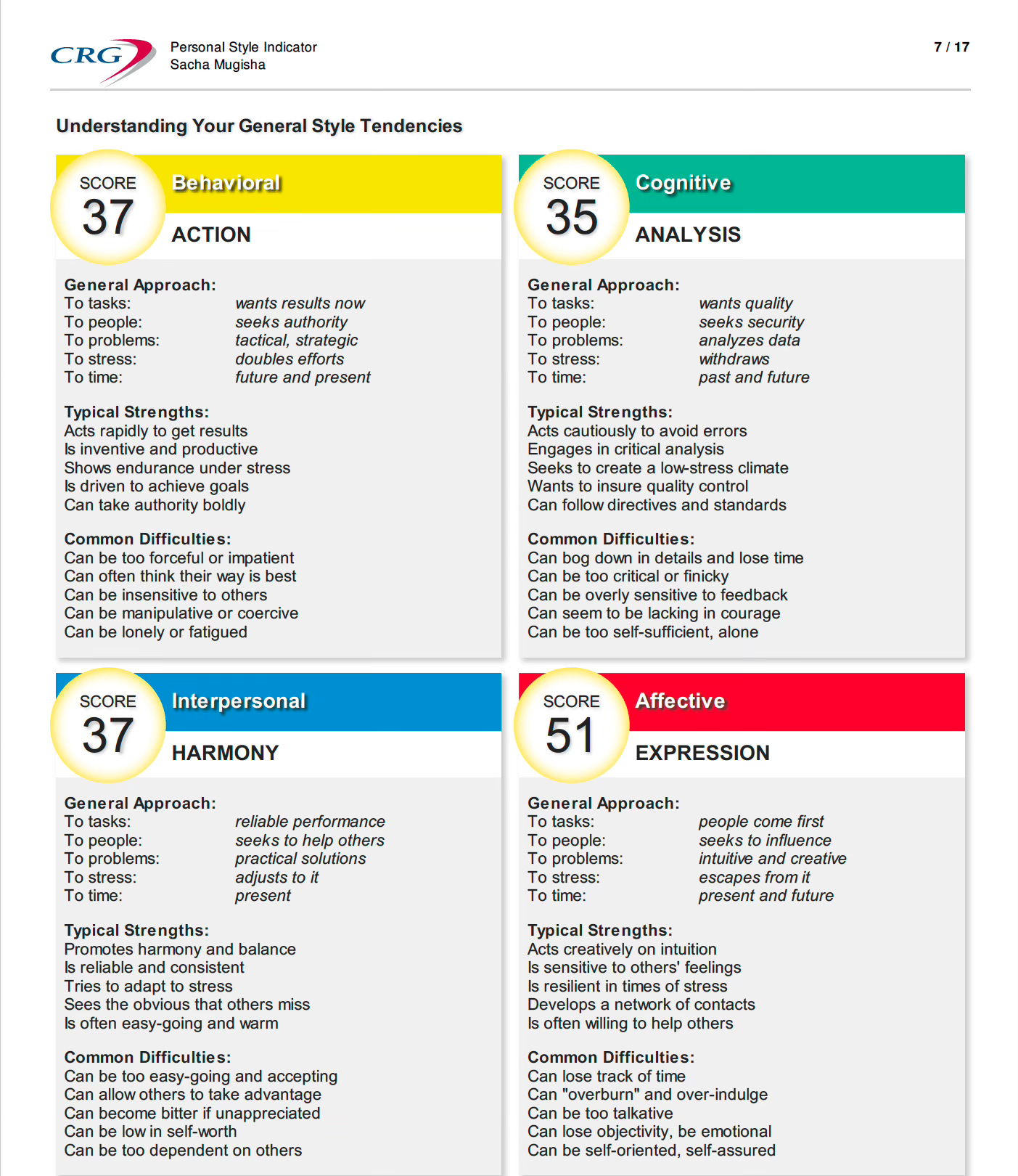
Looking back now, I believe that my confusion stemmed from the fact that my scores for three of the four styles were within a mere two points of one another. This means that my “personal style” is a relatively even mixture of all the styles, with the affective one dominating — particularly in times of stress. Whilst this reality can certainly be leveraged as a quality, it also does make it somewhat trickier to decipher how exactly my results translate into real life.
Before I realized all of this, however, I remember mentioning to a fellow attendee — a zoomer church planter from Calgary — that my PSI results had left me with more questions than clarity. His immediate response surprised me.
“Do you have a mentor?” he asked.
“I have a pastor,” I answered.
“Are you close with your pastor?” he followed up.
I then responded with a hesitant “erm” as my voice rose by several octaves.
“That’s your problem,” he stated plainly.
To be clear, I love my pastor. And my pastor loves me. We have had our fair share of deep conversations over the past twelve months and he knows things about me that literally nobody else knows. However, as my Calgary brother in Christ reminded me on Friday night, quality time is not enough when investing in an important relationship. We need quantity time. In fact, according to a book he and his wife read as younger parents, love is spelled T-I-M-E.
It takes time to truly know and be known. And as one of the summit speakers put it over the weekend: “To be known is to be loved.” In other words, in order to be authentic members of the loving community that is (supposed to be) the Body of Christ, we must be willing to put in the time it takes to truly be known.
This is precisely where I have fallen short over the years. It is not that the seasoned believers around me do not want to pour into me. Whether it be the various mentors and supervisors I had the privilege of working with as a student leader at TWU, the amazing men and women of God I get to worship with at Emmaus Road Anglican Church or even my very own mother, I have never suffered from a shortage of human wells of wisdom to sharpen me as iron sharpens iron. The mentors have always been there. I just have not always been willing to lift the lid on my life such that the mentorship will bear its fruit.
Part of the fruit of said mentorship is increased self-awareness. In the words of Trevor Throness, host of the Leadership Summit’s fifth session, “there is no such thing as self awareness because you only gain awareness about yourself when others speak into your life.”
I put up my hand during his session to ask him about what it takes to be a good mentee so that my mentors will actually enjoy mentoring me. He then called me, along with Apologetics Canada’s Andy Steiger and Troy Williams, to a posture of hunger and humility. Bringing this posture into my relationships with the likes of Father Chad — as well as my relationship with my Heavenly Father Himself — will ensure that this weekend’s mountaintop experiences were merely a taste of what is to come.
Love this - thanks for sharing!
life is one step at a time....