


David Saavedra invited me back to my alma mater (Trinity Western University) last week to attend the Media and Communication department’s annual “Vignettes” event. David was the first student from the “Adventures in Narrative Nonfiction” class to read an essay he had written for the course.
The last student to present her work was third-year English major Madeleine Headley. Her piece deservedly went on to be crowned as the night’s most popular, after which I asked her if she would be willing to let me share it with my subscribers. She graciously agreed, and I am delighted to now be publishing it.
— Sacha
Call to Adventure
Coquihalla Highway
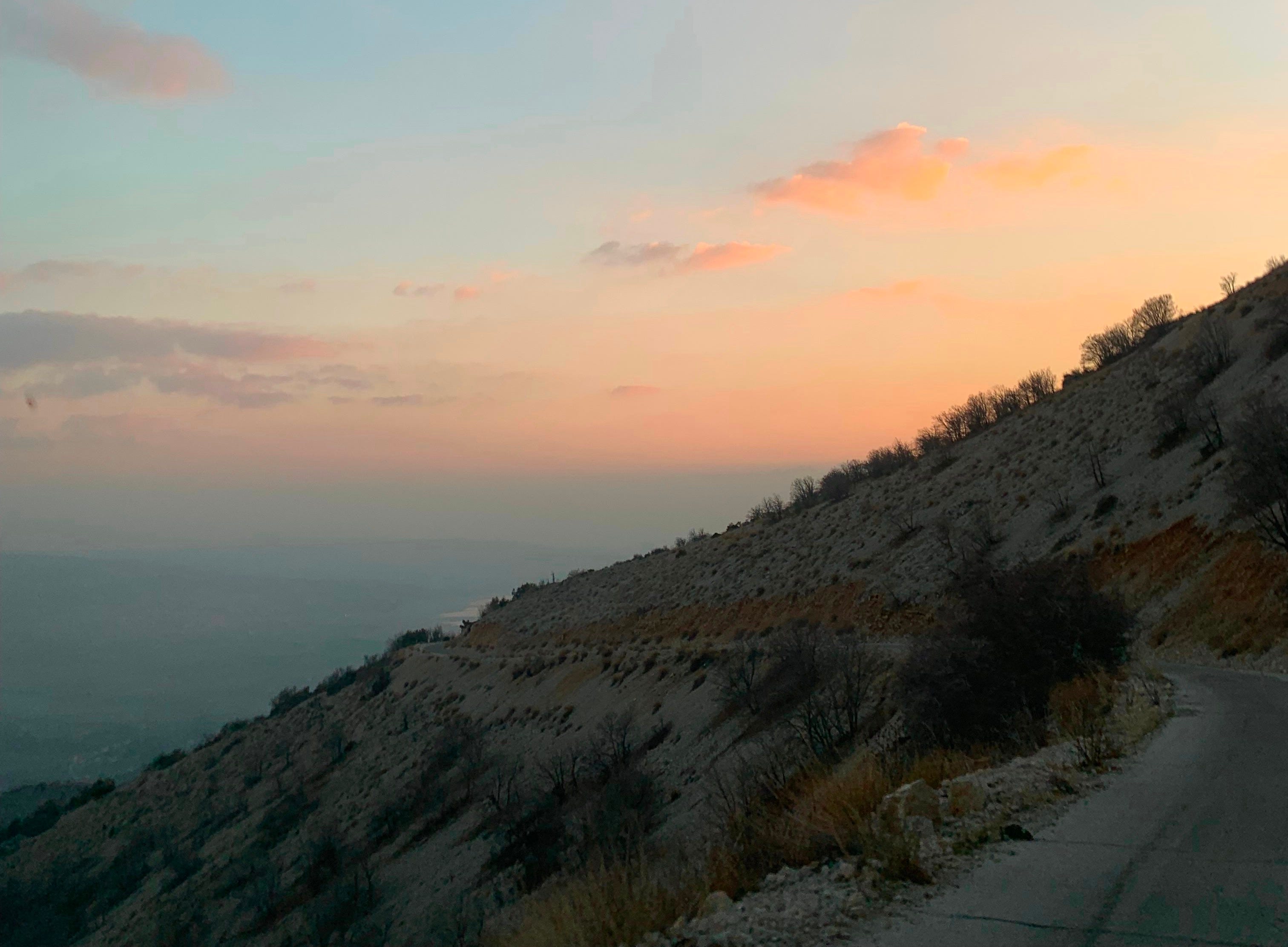
The dark trees whip past the window as we wind up the meandering pass in the middle of the mountain range. The rear windshield of our minivan is obscured by a large playpen and various portable highchair parts while I am tucked in the back between my brother’s booster seat and the tightly packed suitcases. The metal fan at the top keeps dislodging onto my shoulder and my brother drums on the cupholder console in time with the song that plays over the speakers. The crooning banjo of Mumford & Sons doesn’t typically lend itself to rock drumming, but this doesn’t stop him from attempting a rousing four-on-the-floor beat. The baby begins to cry.
Serve God, love me, and mend.
This is not the end.
I look out the windshield ahead of me. I have come to the conclusion that I will be a martyr. I will go overseas to make a difference somewhere, then die bloodily on a far-off shore, or at the end of a long and sleepless night in a foreign prison. I will tell everyone about the love I have known, and refuse to recant in the face of death. I am ten years old and am convinced that to die for love must be the greatest of adventures. I have little notion of the cost, but am sure I have been called.
*
It’s unknown who first coined the phrase about possible plots. There are only two kinds of plots in all of literature: A person goes on a journey, and a stranger comes to town. It has been attributed to Dostoyevsky, Tolstoy, Gardner. It feels true of life, these plot ideas— that you either meet the stranger or are one. Either way, the story is about a traveler. Either way, a road trip is involved. Either way, in all the stories, this usually begins with a call.
*
There are seven of us in the van, not including the dog, and my siblings are weary before we are two hours in. Being an older sister is surely a kind of martyrdom, I think, as the fan falls on me again.
Crossing the Threshold
A28 Autoroute
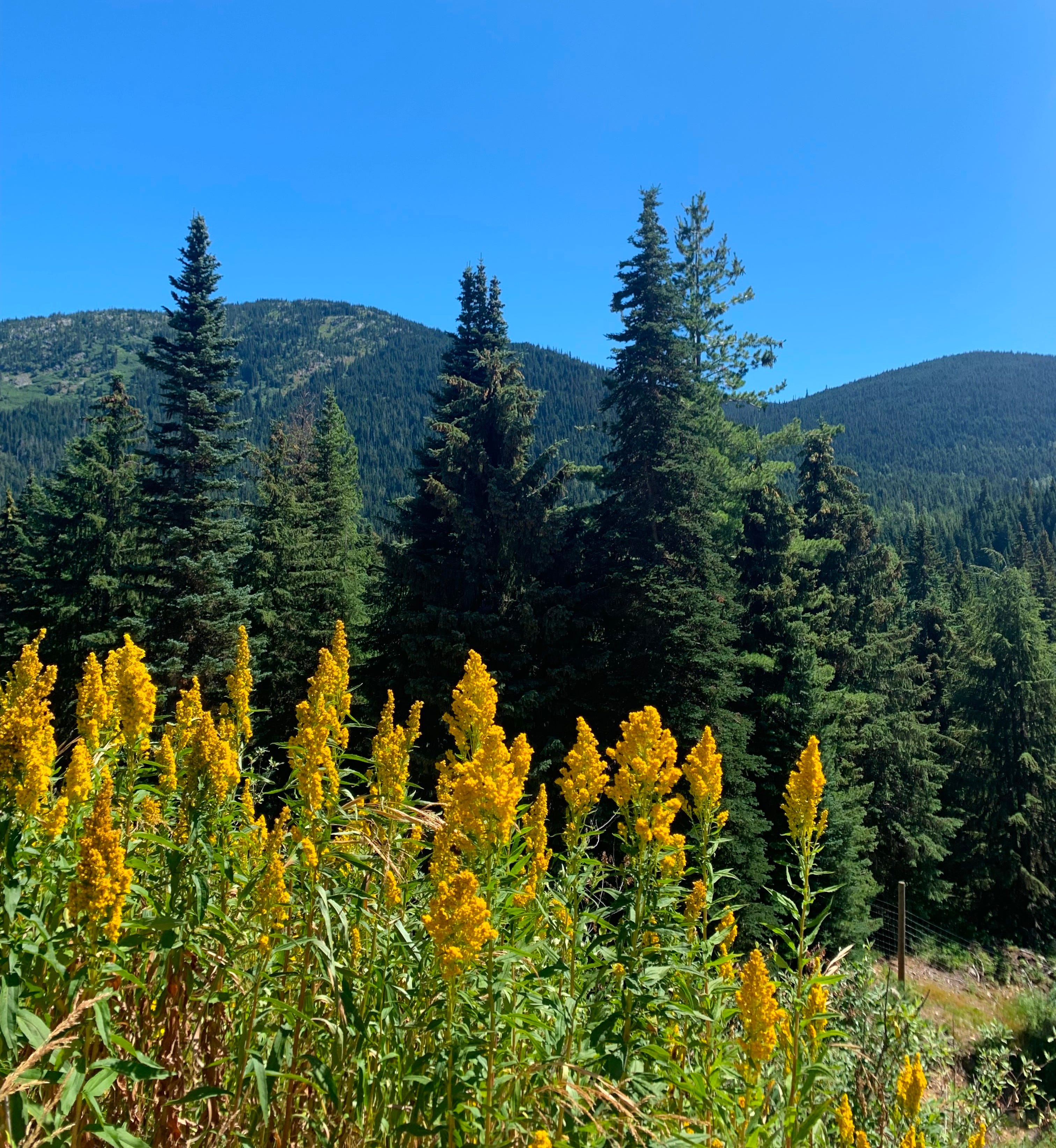
This is not the longest road trip I have been on, but it feels like it at this point, someplace near where Belgium blurs into France. The twenty-five members of my missionary training school are stretched across the last four rows of the lime green FlixBus, which has taken us dutifully from the north of the Netherlands, where we spent the last week. We are meant to be choosing which outreach trip we will take part in: Uganda, Thailand, or the Middle East. I am eighteen and, believing that I will change the world, flip open my Bible to the last place I left off and point.
The trees of the Lord are well watered, the cedars of Lebanon that he planted.
Can there be this little difficulty in discovering where I am to go? Surely there must be more conflict required for such a choice than this?
*
Ursula Le Guin is exceedingly wise. Conflict, she says, is one kind of behavior. There are others, equally important in any human life, such as relating, finding, losing, bearing, discovering, parting, changing.
*
The bus speeds towards Paris, and I am sure that this will be the point of no return.
Belly of the Whale
Damascus International Highway
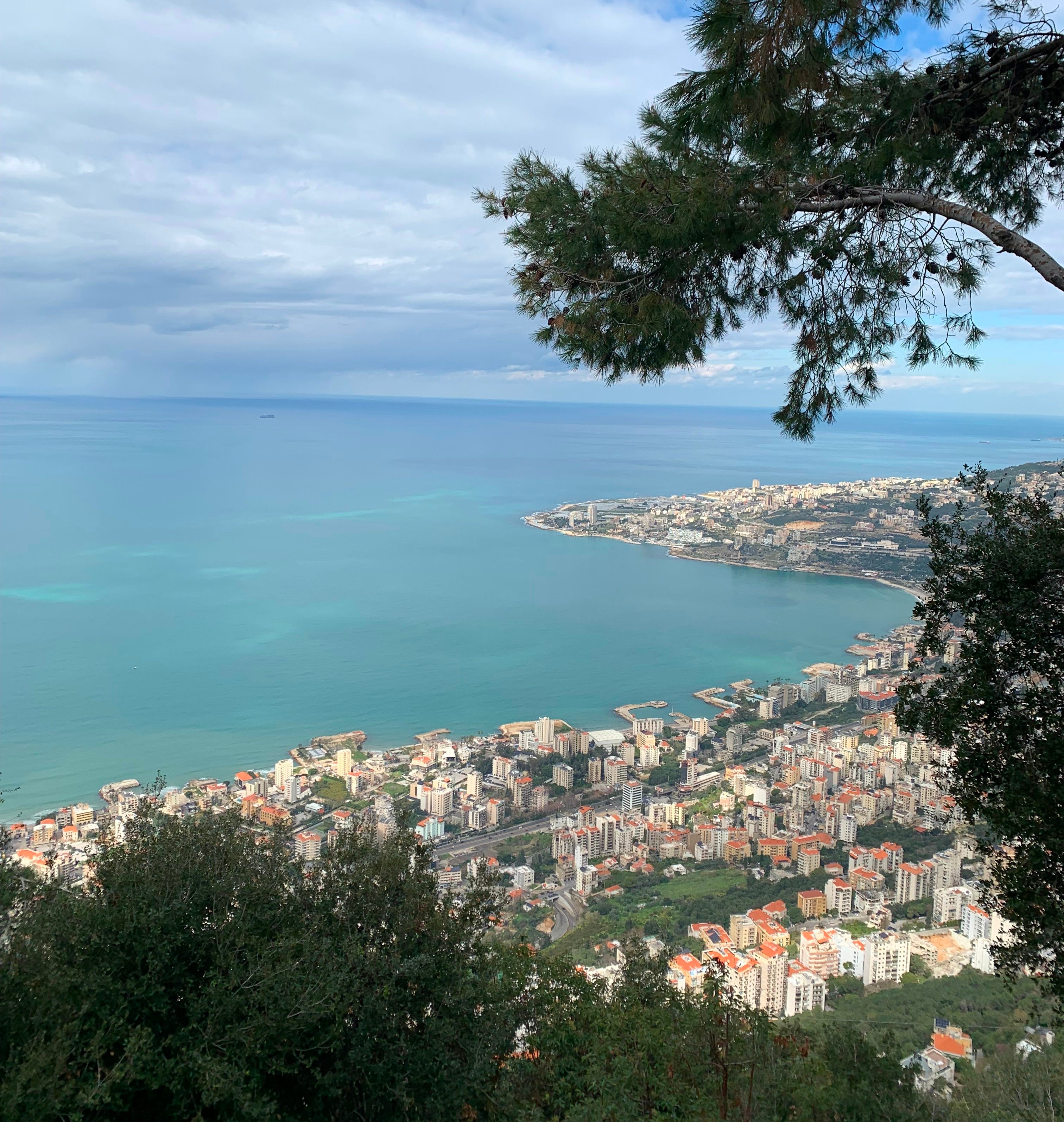
We connect through stories, I have learned over the last four weeks in Zahlé. We arrive in Beirut after many hours in a church van, travelling across the country from the far east to the coast.
The family in the refugee camp next to the Syrian border wanted to hear Bible stories when we came to their tents to talk over rice and chicken.
The elderly Lebanese woman was animated when she picked up her food package from the non-profit facility. Doing my best to pick out the French from the Arabic of her colloquial medley, I realized eventually that she was telling us about her children when they were young.
I have believed for a long time that we are creatures of story. We are irrevocably bound to it, just a whole raveled mess really, of word and skin and salt and narrative.
And it was through stories that we connected with two young men in a park who then invited us to meet their wives and tell them more. My roommate politely refused to abscond to a second location and in my zealous indignance, I was 50/50 on whether she kept us from being trafficked or prevented them from hearing the gospel.
I no longer feed the martyr complex of my youth, but my stunning lack of preservatory skills warns that I haven’t fully let it die.
*
Le Guin again. Change is the universal aspect of all these sources of story. Story is something moving, something happening, something or somebody changing.
*
The twanging guitar riffs us over the lush mountains that press the sprawling city to the sea.
Sigh no more, no more,
One foot in sea, one on shore.
My heart was never pure.
How much of this was all for my own glory? I’m not sure now. How much of this was me wanting to save, or seem holy, or change things on my own terms? I have little but the abyss of my doubts now, and the certainty that I am making no difference at all.
*
The Greek word to be is γινομαι. This equally means to become. Being and becoming are inextricably linked. To exist is to become. To be at all is to be in the process of transformation.
Temptation & Transformation
A96 Autobahn
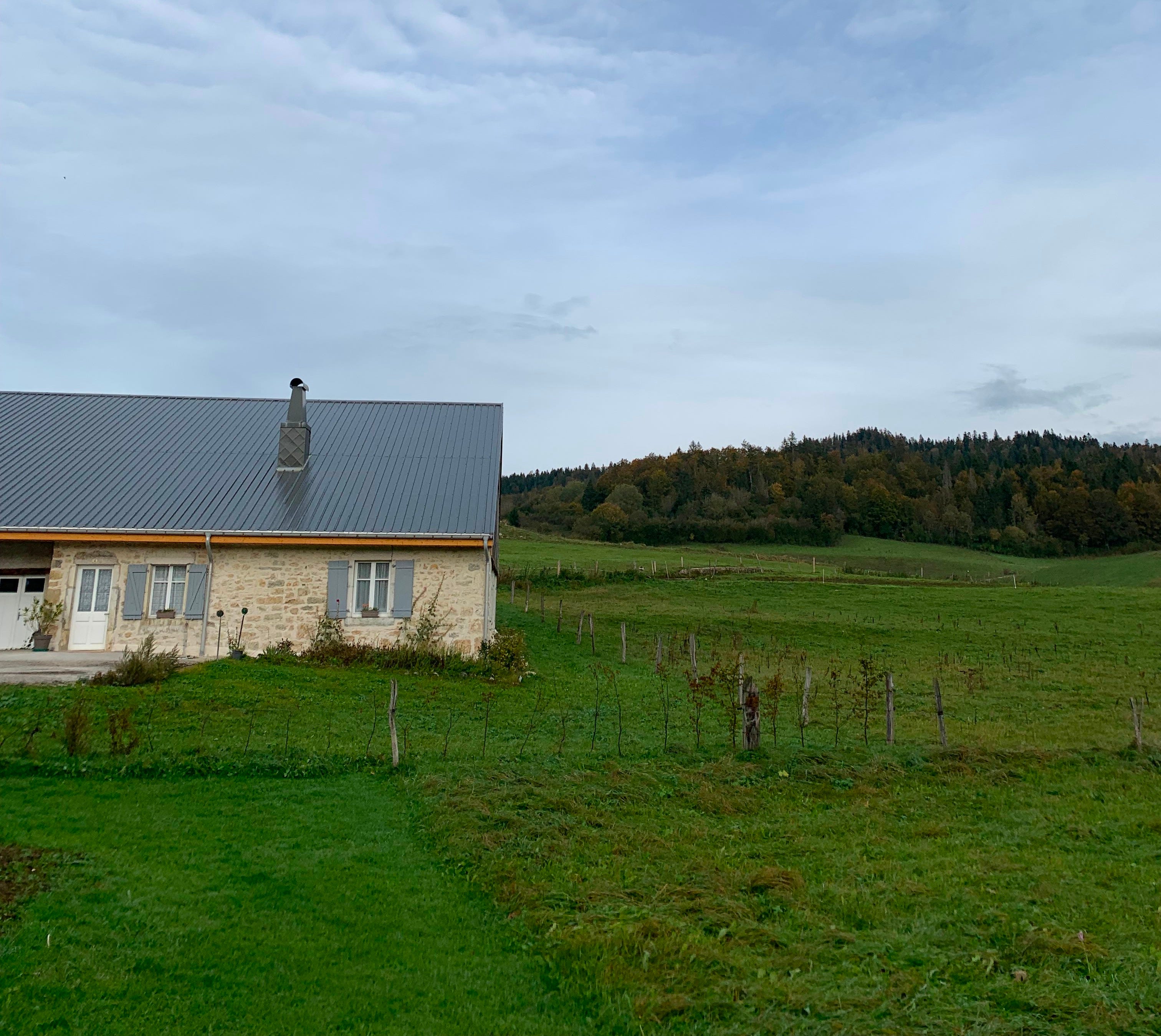
The forest lining the highway is the same shade as the terracotta tiles that all German roofs are made of. This is my second time in Europe, this time for the wedding of two members of my outreach team. I watched them meet in France, fall in love in the Middle East, and begin dating during our time in Romania. A year and a half later, I meet the rest of my friends in Germany.
We drive the Autobahn from Munich, through Austria, across the length of Switzerland to the French town where the wedding takes place.
Love that will not betray you, dismay or enslave you,
It will set you free,
Be more like the man you were made to be.
*
« Le mariage existe pour que la prostitution n’existe pas. »
The pastor and I disagree on why God made marriage. I do not think it’s for prostitution control.
But it is true, I think, that we assume that sacrament means we will not be tempted. We think that it will be the sweeping vows that hold us fast forever, rather than the small, continued choices in the unnoticed, unglorious moments of our lives. It would be easier if it were just the once, a single acceptance of the death of our selves. But it is in the many little deaths that we live our lives, or create a marriage, or remain in the faith we have chosen.
*
I come to realize that there are times when it is harder to live for a faith than to die for one. Martyrdom is noble, but so is sanctification, that ordinary process of change, that becoming which happens in our being, the crux of all our stories, really.
*
Other meanings of γινομαι:
To begin to be, as in, holy or a spouse
To arise, like questions or the light.
To appear, as on the horizon or in mirrors.
To be made, like bread or love.
To be done, like taxes or justice.
To come into existence, as would an embryo, or the spring.
The Return
Coquihalla Highway
The plinking freneticism of the mandolin, the steady kick atop a tambourine, and whirring dark trees take me back a decade earlier, or to the many times since that we have driven this road.
There is a design, an alignment
A cry of my heart to see
The beauty of love, as it was made to be
*
The call, as it turns out, is not to some other place, nor to a glorious death, nor even to my homeland, but rather, to be and to become, at sea or on shore, to give myself to love wherever my feet are, in all of the ordinary ways.
*
Serve God, love me, and mend,
This is not the end.
If you have made it this far and feel so inclined, be sure to comment on, like or restack this post. And if you would like to receive more faith insights from me and my zoomer friends directly in your inbox, go ahead and hit that subscribe button.
Last but not least, if you are also a Gen-Z Christian who likes to think/write about God, you are more than welcome to join the subscriber chat and throw some ideas around. I would love to feature more young writers on Zoomed In!
— Sacha

