


My friend Arda invited me and a handful of his closest friends to an exclusive dinner with his father Hakan Taştan a couple of weeks ago. He asked us to come prepared ahead of time with questions for Hakan so that we could each receive tailored encouragements and prayer throughout the night.
Hakan is somewhat of a legend in our friend group. After a dramatic conversion from Islam to Christianity three decades ago, he has devoted his life to spreading the Good News of Jesus Christ around the world with a particular focus on evangelizing to his fellow Turks. Despite many an attempt on his life, his ministry has helped plant multiple churches over the years and has facilitated hundreds of baptisms to the glory of God. My roommate Kyler likes to refer to him as “Turkish Paul” even though the original Paul was also born in modern-day Turkey.
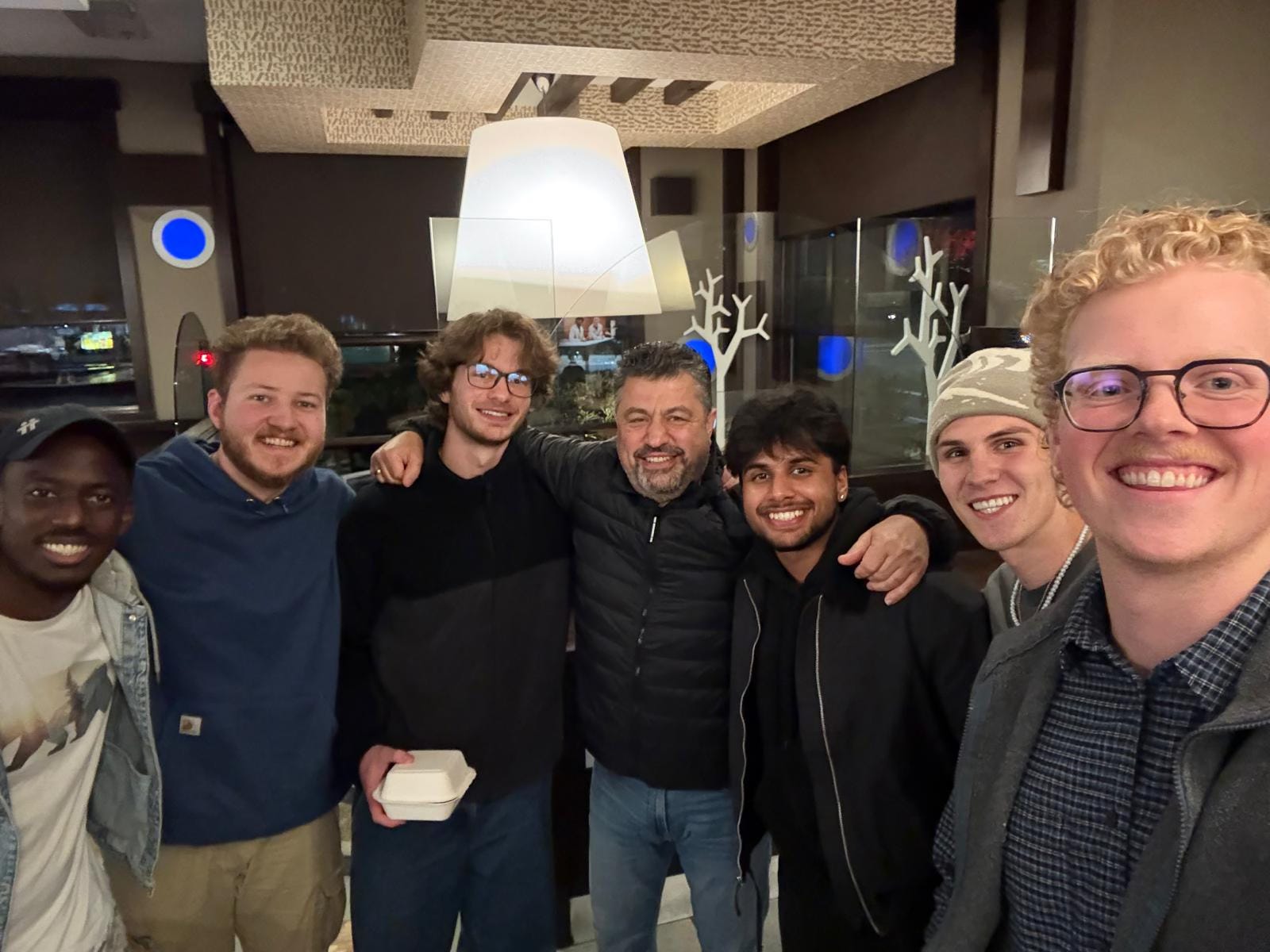
By the time it came time for me to ask Hakan a question on the big night, I found myself in a little bit of a pickle as he had already answered basically all of my questions. I offered up a prayer to God along the lines of “please give me a good question to ask” and immediately had the Apostle Paul’s words in 1 Corinthians 13:11 come to mind:
When I was a child, I spoke like a child, I thought like a child, I reasoned like a child. When I became an adult, I put an end to childish ways.
I then proceeded to ask Hakan how he conceived of the difference between childhood and manhood. To my surprise, he answered by bringing up what scholars often refer to as the Apostle Paul’s “silent years,” i.e., the decade or so that Paul spent in his native Tarsus between his conversion in Acts 9 and his recruitment to minister in Antioch two chapters later.
Hakan explained that those ten years Paul spent away from the spotlight were essential to his formation into the man who reemerged in Acts 11 ready to step into the fullness of God’s call on his life. Crucially, this call entailed a much more explicit focus on the Gentile mission field — hence Luke’s shift in Acts 13 from using Paul’s Jewish name (Saul) to using his Greek name (Paul) throughout the rest of the book.
What was Saul even doing in Tarsus while he awaited his eventual transformation into the Paul we all know and love? According to Hakan, Saul would have simply devoted himself to an obedient Christian life in Tarsus — one marked by prayer and a willingness to follow Jesus in the mundanity of everyday life.
As my pastor, Father Chad Block, mentioned in the message he preached at my alma mater earlier today, “beautiful things don’t come easy and beautiful things don’t come quick.” Before Paul, there was Saul. And Saul did not turn into Paul overnight. It took time for him to mature into the man God had called him to be.
This theme has taken on extra significance for me in the last couple of days as I have spent time reflecting on my experiences at the Anglican Diocese of Canada’s 2025 Synod in which I represented Emmaus Road Anglican Church as a youth delegate last week. I met clergymen and women from Newfoundland, Nova Scotia, Quebec, Ontario, New York, Saskatchewan and Alberta whilst also spending quality (and quantity) time with Father Chad and other ERA representatives throughout the week.
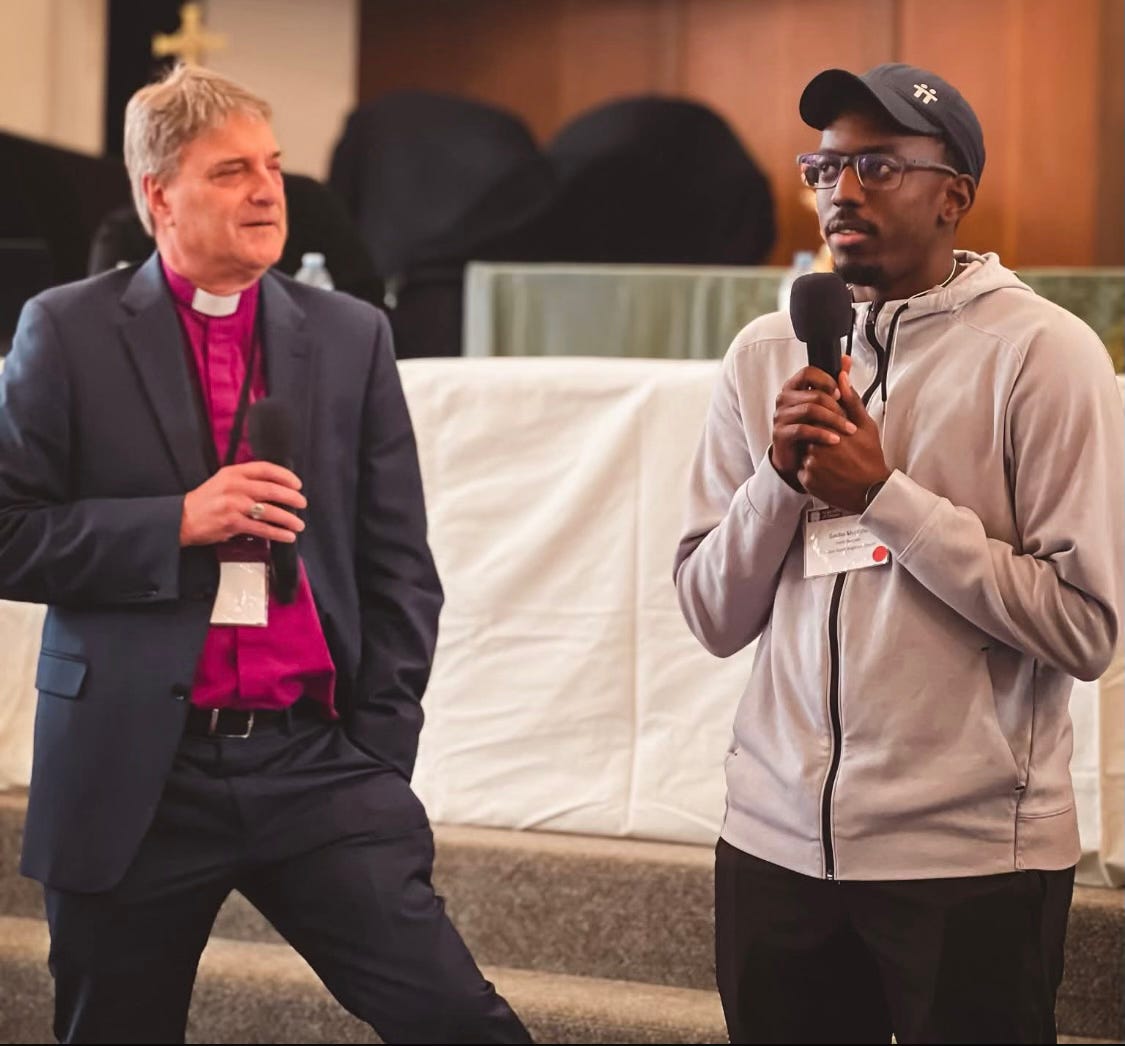
I have always felt drawn towards the ministry. But as I reflect on the myriad edifying conversations I enjoyed at Synod in between services and sessions last week, I have never felt more certain that ordained ministry in the Anglican Way is part of God’s plan for my life. What does this mean for me now? It simply means that I am to embrace my Tarsus moment — patiently preparing for what He has in store for me until I am ready to fully step into it.